McBling Fashion Guide: Early 2000s Aesthetic & Its Iconic Comeback
Discover McBling fashion, the bold early 2000s aesthetic defined by logos, glam, and excess plus how this iconic style is making a modern comeback.
LIFESTYLE LIBRARY
1/16/20269 min read
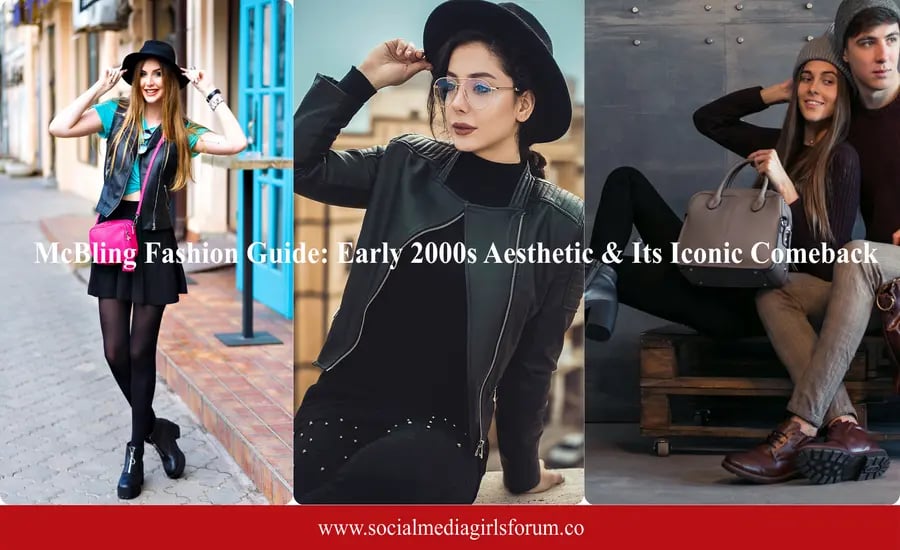
Fashion operates in fascinating cycles, and few trends demonstrate this phenomenon more dramatically than McBling fashion. This bold, glamorous aesthetic that dominated the early 2000s has made a remarkable comeback, capturing the imagination of a new generation while triggering nostalgic memories for those who lived through its original reign. From rhinestone-encrusted accessories to velour tracksuits and low-rise denim, McBling fashion represents an era of unapologetic excess and self-expression that feels remarkably relevant in today's maximalist fashion landscape.
Understanding the Origins and Definition of McBling Fashion
McBling fashion emerged as a distinctive aesthetic movement that flourished approximately between 2000 and 2008, representing a cultural shift away from the futuristic, technology-inspired styles of the late 1990s. The term itself was coined by Froyo Tam of the Consumer Aesthetics Research Institute, distinguishing this particular style from the often-confused Y2K aesthetic that preceded it. While both movements share certain visual similarities, McBling carved out its own identity through a grounded yet extravagant approach heavily influenced by hip-hop culture and the meteoric rise of celebrity tabloid journalism.
The aesthetic originated primarily within the hip-hop community, particularly among artists who had risen from impoverished backgrounds to achieve significant financial success. For these artists, McBling fashion served as a powerful visual declaration of newfound wealth and accomplishment. Wearing flashy jewelry, designer logos, and luxury items became a way to establish identity and command attention in an industry that celebrated boldness and excess. This cultural context is essential to understanding why McBling fashion carries such profound significance beyond mere clothing choices.
What distinguishes McBling from other early 2000s fashion movements is its unabashed embrace of conspicuous consumption. The style philosophy could be summarized as "more is more," with an emphasis on what some fashion historians have described as "trashy glamour." This wasn't meant as an insult but rather as a celebration of accessible luxury and democratic extravagance that rejected the exclusivity of traditional high fashion. McBling fashion democratized glamour, making statement-making style available to anyone willing to embrace its bold aesthetic principles.
The Cultural and Historical Context Behind McBling
The emergence of McBling fashion cannot be separated from the broader cultural landscape of the early 2000s. Following major events like the dot-com crash and the September 11 attacks, American culture shifted toward a "spend, spend, spend" mentality during the Bush administration years. This economic atmosphere created fertile ground for a fashion movement that celebrated material success and visible wealth. McBling fashion became an antidote to uncertainty, offering a form of escapism through glamorous self-presentation.
Celebrity tabloid culture played an equally significant role in shaping and popularizing the McBling aesthetic. Figures like Paris Hilton, Lindsay Lohan, and Britney Spears became the movement's primary icons, their every outfit scrutinized and replicated by fans worldwide. The reality television phenomenon, particularly shows like "The Simple Life" starring Paris Hilton and Nicole Richie, brought McBling fashion into living rooms across America, transforming what might have remained a niche aesthetic into a mainstream cultural force. The paparazzi-driven media landscape of this era meant that celebrity fashion choices received unprecedented attention and influence.
Television shows, music videos, and films of the period reinforced McBling's visual language. Programs like MTV's "Cribs" and "Pimp My Ride" celebrated ostentatious displays of wealth, while hip-hop music videos featured artists dripping in diamonds and designer labels. Movies such as "Mean Girls," "Legally Blonde," and "White Chicks" captured the era's fashion sensibilities, creating visual references that continue to influence contemporary interpretations of the style. The McBling aesthetic permeated every aspect of popular culture, from entertainment to interior design, creating a cohesive visual language that defined an entire decade.
Key Elements and Signature Pieces of McBling Fashion
Understanding McBling fashion requires familiarity with its distinctive visual vocabulary. The aesthetic encompasses specific clothing items, accessories, and styling choices that together create the unmistakable McBling look. These elements can be mixed and matched to achieve varying degrees of commitment to the style, from subtle nods to full-on embrace.
Essential McBling Clothing Items
Velour Tracksuits: Perhaps the most iconic McBling garment, velour tracksuits from brands like Juicy Couture became the uniform of the era. Available in hot pink, baby blue, black, and countless other shades, these comfortable yet glamorous sets represented the perfect marriage of casual wear and luxury aesthetic.
Low-Rise Jeans: The defining denim silhouette of the McBling era sat dramatically low on the hips, often paired with cropped tops to expose the midriff. This style represented a departure from the high-waisted looks of previous decades and created opportunities for showcasing blingy belt buckles and belly button jewelry.
Baby Tees and Graphic Tops: Tight-fitting t-shirts featuring bold logos, playful slogans, and rhinestone embellishments became wardrobe staples. Brands like Baby Phat and Playboy produced tops that perfectly captured the era's youthful, flirtatious energy.
Mini Skirts and Micro Shorts: The shorter, the better was the prevailing philosophy regarding skirt and short lengths during the McBling era. These abbreviated hemlines were often paired with platform heels or Ugg boots for maximum impact.
Oversized Sunglasses: Large, dramatic sunglasses became essential accessories, with many celebrities rarely appearing in public without them. These statement pieces added instant glamour to any outfit while serving practical purposes in evading paparazzi attention.
Signature Accessories and Finishing Touches
Rhinestone Belts: Glittery, bejeweled belts became crucial accessories for completing McBling outfits, adding sparkle to low-rise jeans and drawing attention to the waistline.
Oversized Designer Handbags: Large bags from luxury houses like Louis Vuitton, Gucci, and Coach served as status symbols, with the Louis Vuitton Monogram Canvas and Murakami collaboration editions being particularly coveted.
Chunky Jewelry: Big hoop earrings, layered necklaces, and statement rings became essential components of the McBling look, with the philosophy that more jewelry meant more glamour.
Von Dutch Trucker Hats: These distinctive caps became synonymous with McBling fashion, appearing on celebrities and everyday fashion enthusiasts alike.
Bedazzled Phone Cases and Accessories: The McBling aesthetic extended to technology accessories, with rhinestone-covered phone cases and blinged-out electronics representing the era's commitment to sparkle in every aspect of life.
Iconic Brands That Defined the McBling Era
Several fashion labels became inextricably linked with McBling fashion, their designs embodying the aesthetic's core principles of accessible luxury and bold self-expression. Juicy Couture stands as perhaps the most representative brand of the movement, with their velour tracksuits becoming the unofficial uniform of McBling enthusiasts worldwide. The brand's playful approach to luxury, combining comfort with glamour, perfectly captured the era's fashion philosophy.
Ed Hardy emerged as another defining McBling label, bringing tattoo-inspired graphics and bold imagery to mainstream fashion. The brand's colorful, heavily embellished designs represented McBling's embrace of maximalist aesthetics and its rejection of subtle, understated dressing. Similarly, Von Dutch capitalized on the trucker hat trend, transforming a working-class accessory into a must-have fashion statement that graced the heads of celebrities and ordinary consumers alike.
Baby Phat, founded by Kimora Lee Simmons, brought hip-hop-inspired glamour to women's fashion, featuring metallic fabrics, rhinestone embellishments, and bold silhouettes that celebrated feminine curves and confident self-presentation. The brand represented the crucial intersection of hip-hop culture and mainstream fashion that characterized the McBling movement. Other significant labels included Playboy, with its provocative bunny logo appearing on everything from jewelry to clothing, and luxury houses like Dior and Versace, which catered to the high-end segment of McBling enthusiasts.
The Distinction Between McBling and Y2K Fashion
One of the most common misconceptions in contemporary fashion discussions involves conflating McBling fashion with Y2K style. While both aesthetics emerged during overlapping time periods and share certain visual elements, they represent fundamentally different approaches to fashion and carry distinct cultural associations. Understanding these differences is essential for anyone seeking to authentically interpret either aesthetic.
Y2K fashion, which roughly spans from 1998 to 2003, drew heavily from technology, futurism, and millennium anxiety. The style featured metallic fabrics, iridescent materials, space-age silhouettes, and a color palette dominated by silver, blue, and neon tones. Y2K aesthetics celebrated the digital revolution and anticipated a future shaped by technological innovation. The look was sleek, futuristic, and often androgynous, reflecting optimism about the new millennium's possibilities.
McBling fashion, by contrast, moved away from futuristic themes toward a more grounded celebration of material success and celebrity culture. While Y2K looked forward to an imagined technological future, McBling reveled in the present moment's pleasures and excesses. The aesthetic replaced Y2K's cool metallics with warm pinks and earth tones, traded space-age minimalism for maximalist embellishment, and shifted focus from technology to luxury brands and celebrity lifestyle. Where Y2K was aspirational about the future, McBling was aspirational about wealth and status in the here and now.
The Cultural Significance and Controversies of McBling
The McBling aesthetic carries significant cultural weight that extends beyond mere fashion choices. For the hip-hop community that originated and popularized the style, McBling fashion represented a form of resistance and celebration. Artists who had overcome poverty and discrimination used visible luxury to assert their success and challenge societal expectations about who deserved to enjoy fine things. This context gives McBling fashion a layer of meaning that purely aesthetic discussions sometimes overlook.
However, the McBling era was not without its problematic aspects. The celebrity tabloid culture that helped spread the aesthetic often came at tremendous personal cost to its icons, with figures like Britney Spears experiencing public breakdowns under relentless media scrutiny. The era's fashion sometimes intersected with problematic gender dynamics and the commodification of women's bodies. Contemporary revivals of McBling fashion must grapple with these complexities, celebrating the aesthetic's joyful excess while acknowledging its darker undertones.
Some critics have argued that McBling fashion represented uncritical consumerism and contributed to problematic displays of wealth during a period of increasing economic inequality. Others defend the movement as a form of cultural expression that made luxury aesthetics accessible to broader audiences and challenged traditional gatekeeping in fashion. These debates continue as the style experiences its current revival, with new generations negotiating how to engage with McBling's legacy thoughtfully and responsibly.
McBling Fashion's Triumphant Return in 2026
The resurgence of McBling fashion in 2025 represents more than simple nostalgia. As minimalism and "quiet luxury" trends have dominated recent fashion seasons, many consumers have grown weary of understated dressing and crave the bold self-expression that McBling offers. The current fashion landscape, with its emphasis on personal expression and rejection of arbitrary style rules, provides ideal conditions for McBling's comeback.
Social media platforms, particularly TikTok and Instagram, have played crucial roles in reviving interest in McBling aesthetics. Younger consumers who didn't experience the original McBling era have discovered the style through vintage content and nostalgic fashion creators, approaching it with fresh enthusiasm unclouded by early 2000s fatigue. For millennials who lived through McBling's first iteration, the revival offers an opportunity to revisit beloved styles with updated perspectives and mature confidence.
The contemporary interpretation of McBling fashion differs somewhat from its original form. Modern McBling enthusiasts often blend vintage-inspired pieces with contemporary staples, creating looks that feel fresh rather than costumey. The focus has shifted toward celebrating McBling's joy and boldness while sometimes toning down its most extreme elements. This evolution allows the aesthetic to remain relevant while adapting to current fashion sensibilities and body positivity movements that have emerged since the early 2000s.
How to Incorporate McBling Fashion Into Your Wardrobe
Embracing McBling fashion doesn't require a complete wardrobe overhaul or commitment to head-to-toe sparkle. The aesthetic can be incorporated at various levels of intensity, from subtle touches that add contemporary relevance to full-on embrace of the style's maximalist principles. The key is finding an approach that feels authentic to your personal style while capturing McBling's essential energy of confidence and glamour.
For those seeking subtle McBling influences, start with accessories. A rhinestone belt worn with contemporary denim, oversized hoop earrings, or a blinged-out phone case can add McBling touches without overwhelming your existing style. These small additions allow experimentation with the aesthetic while maintaining everyday wearability. As comfort with the style grows, more statement pieces can be gradually incorporated.
Those ready for bolder interpretations might invest in key McBling pieces like velour loungewear sets, which have been updated by contemporary brands to suit modern tastes. Low-rise jeans have made significant comebacks and can be styled with cropped tops for authentic McBling energy or with longer tops for a more wearable interpretation. Metallic fabrics, sequined pieces, and rhinestone-embellished garments all capture McBling's sparkle while feeling current when styled thoughtfully.
The most successful contemporary McBling looks often blend period-appropriate pieces with modern elements. Pairing a vintage-inspired graphic tee with contemporary wide-leg trousers, or mixing a sparkly top with minimalist accessories, creates balance that feels fresh rather than dated. The goal is capturing McBling's spirit of confident self-expression and joyful excess while adapting the specific details to suit individual preferences and contemporary fashion contexts.
The Future of McBling Fashion and Lasting Legacy
As fashion continues its cyclical nature, McBling's current revival raises questions about its long-term influence and legacy. The aesthetic has proven remarkably resilient, continuing to inspire designers and consumers more than two decades after its original emergence. This staying power suggests that McBling fashion taps into something fundamental about human desires for self-expression, visible success, and joyful presentation.
The twenty-year trend cycle that has brought McBling back into fashion consciousness will inevitably shift attention to other aesthetic movements, but the lessons of McBling fashion will endure. The style demonstrated that fashion could be simultaneously comfortable and glamorous, that luxury aesthetics need not be reserved for elite consumers, and that bold self-expression through clothing carries profound cultural significance. These principles transcend any particular trend cycle.
For those who embrace McBling fashion today, the aesthetic offers an antidote to the seriousness and restraint that have characterized recent fashion seasons. In a world that often feels overwhelming and uncertain, the unabashed joy and confidence of McBling style provide a form of fashion therapy. Whether through a sparkly accessory or full velour regalia, McBling fashion invites wearers to celebrate themselves and approach life with the boldness and glamour that defined an unforgettable era in fashion history.
The McBling aesthetic reminds us that fashion at its best is about more than clothing it's about identity, aspiration, and the courage to present ourselves to the world exactly as we wish to be seen. As new generations discover and reinterpret this iconic style, McBling fashion's legacy continues to evolve, proving that some aesthetic movements transcend their original moments to become enduring influences on how we think about style, self-expression, and the transformative power of what we choose to wear.
Connect
Join our vibrant community of empowered women.
Share
contact@socialmediagirlsforum.co
+447553810589
© 2026. All rights reserved.