Speciering: The Science Behind Species Divergence Today
Explore Speciering — the fascinating process of species divergence. Discover evolution's role, types of speciation, real examples, and biodiversity significance.
WOKE DIGITAL SOLUTIONS
3/23/20264 min read
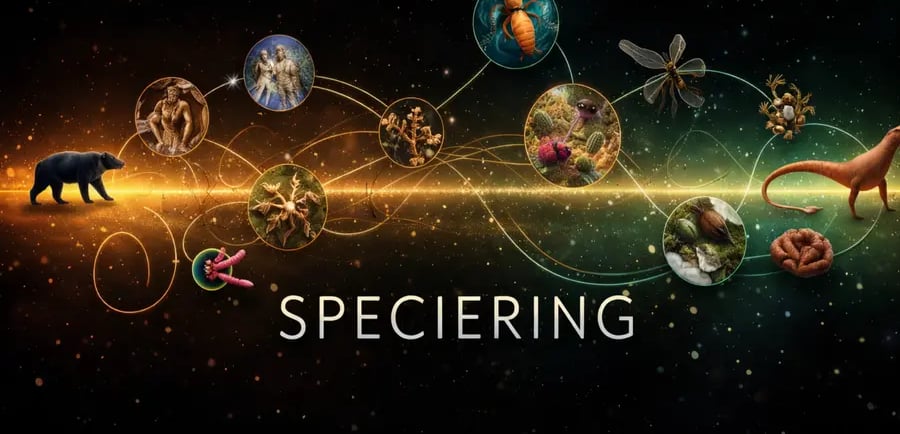
Speciering is a captivating process that shapes the diversity of life on our planet. It’s the mechanism behind how new species arise, adapt, and thrive in their environments. Imagine walking through a lush forest or diving into vibrant coral reefs; each unique organism you encounter has its own story one rooted in this incredible phenomenon called speciering.
But what really drives this fascinating transformation? Why do certain populations diverge while others remain unchanged? Join us as we delve into the science of species divergence, exploring not only the intricate processes involved but also their profound implications for biodiversity and conservation efforts. Whether you're a biology enthusiast or simply curious about nature's wonders, understanding speciering will open your eyes to the intricate web of life surrounding us.
The Role of Evolution in Speciering
Evolution is a powerful force driving speciering. It shapes the genetic makeup of organisms over time, leading to diversity in life forms.
Natural selection plays a crucial role in this process. Adaptations help species thrive in specific environments. As these adaptations accumulate, populations can become distinct from their ancestors.
Mutations introduce new traits that may confer advantages or disadvantages. Some mutations might be beneficial, giving rise to new species when combined with environmental pressures.
Genetic drift also contributes by randomly altering gene frequencies within small populations. This randomness can lead to significant changes over generations.
Isolation further enhances evolution's impact on speciering. When groups are separated geographically or ecologically, they evolve independently, often resulting in unique characteristics and behaviors.
Through these mechanisms, evolution drives the intricate dance of diversification among life on Earth.
Types of Speciation: Allopatric vs. Sympatric
Speciation occurs in various forms, with allopatric and sympatric being the most notable. Allopatric speciation arises when populations are geographically isolated. Think mountains, rivers, or even human activities that create barriers. Over time, these separated groups evolve independently.
On the other hand, sympatric speciation happens without such physical separation. Instead, it often results from behavioral changes or genetic mutations within a shared habitat. For instance, differences in mating preferences can lead to distinct populations emerging side by side.
Both types play crucial roles in biodiversity. Each mechanism highlights nature’s adaptability and resilience. Understanding them offers insights into how species thrive despite environmental pressures and challenges they might face over generations.
Factors Affecting Species Divergence
Species divergence is influenced by various factors that shape the evolutionary pathway of organisms. Geographic isolation, for example, plays a significant role. When populations become separated by physical barriers like mountains or rivers, they evolve independently.
Environmental changes also drive divergence. Variations in climate can create distinct niches where different traits are favored. This leads to adaptations unique to each environment.
Genetic drift contributes as well. In small populations, random events can lead to significant changes in allele frequencies over generations. This randomness often accelerates the divergence process.
Interspecies interactions such as competition and predation can affect how species adapt and differentiate from one another. The interplay between these factors creates a complex tapestry of biodiversity that we observe today across ecosystems worldwide.
Examples of Speciering in Nature
One of the most fascinating examples of speciering is seen in Darwin's finches. These birds, native to the Galápagos Islands, have evolved distinct beak shapes based on their specific diets and environments. Each species adapts uniquely to its surroundings, showcasing nature’s ingenious versatility.
Another striking instance involves cichlid fish in African lakes. With hundreds of species existing within a single body of water, these fish exhibit remarkable diversity in color and behavior. Their divergence stems from varying habitats and mating preferences.
The peppered moth provides yet another example. During the Industrial Revolution, darker variants thrived due to pollution darkening tree bark. This shift illustrates how environmental changes can drive speciation through natural selection.
Each case highlights how adaptive traits emerge over time, driven by ecological pressures and reproductive isolation an ongoing dance between survival and change in nature’s grand tapestry.
The Significance of Understanding Species Divergence
Understanding species divergence is crucial for multiple reasons. It helps us grasp how life evolves and adapts to varying environments. This knowledge sheds light on the intricate web of ecosystems that sustain biodiversity.
Grasping speciering also informs conservation efforts. As habitats change due to climate shifts, protecting distinct species becomes vital for ecological balance.
Moreover, studying species divergence aids in medical research. Many medicinal compounds originate from unique organisms; knowing their evolutionary paths can unlock new treatments.
Recognizing this process enhances our appreciation for nature’s complexity. Each organism tells a story of survival and adaptation woven through time. Embracing these narratives fosters a deeper connection with the natural world around us.
Conclusion
Understanding speciering is crucial for grasping the complexities of life on Earth. Through the lens of evolution, we see how species adapt and diverge from one another, leading to rich biodiversity. The different types of speciation whether allopatric or sympatric highlight the various pathways through which new species emerge. Factors like environmental changes, genetic mutations, and behavioral adaptations play a pivotal role in this process. By studying real-world examples of speciering in nature, we can appreciate its dynamic nature better.
The significance lies not just in academic interest but also in conservation efforts and ecology. Recognizing how species diverge helps us protect vulnerable ecosystems and sustain our planet's diversity for future generations. Speciering is more than a biological concept; it reflects life's resilience and adaptability amid changing environments. Embracing this understanding enriches our perspective on nature’s intricate tapestry.
Connect
Join our vibrant community of empowered women.
Share
contact@socialmediagirlsforum.co
+447553810589
© 2026. All rights reserved.