Retro Fashion Guide: Timeless Vintage Style Tips
Discover retro fashion history, key vintage elements, era-inspired looks, and practical tips to mix nostalgic pieces with modern wardrobes for a timeless style.
WOKE FASHION
6/30/20264 min read
Introduction to Retro Style
Retro style in fashion is more than just a trend; it’s a vibrant nod to the past that continues to inspire today’s wardrobes. Picture flared jeans, psychedelic prints, and bold colors—a celebration of decades gone by. As we dive into the world of retro fashion, you’ll discover its roots, evolution, and how it remains relevant in modern times. Whether you’re an avid vintage lover or someone new to this style movement, understanding what retro really means will unlock endless possibilities for self-expression through your clothing choices. Let’s explore this captivating aesthetic that has stood the test of time!
The History of Retro Fashion
Retro fashion has its roots in the past, drawing inspiration from various decades. The term "retro" itself emerged in the 1960s as nostalgia for previous styles began to resurface.
The 1920s flapper dresses, with their daring cuts and vibrant patterns, paved the way for a revolution in women's clothing. Meanwhile, the 1950s brought us poodle skirts and rockabilly vibes that defined youth culture.
The swinging sixties introduced bold prints and mod silhouettes. This era was all about breaking norms and expressing individuality through fashion.
As time progressed, each decade found ways to pay homage to those before it. Designers repurposed vintage looks while adding modern twists.
Today’s retro style embodies this cyclical nature of fashion—where past trends are reimagined into contemporary wardrobes with flair. Each piece tells a story that connects generations through shared aesthetics.
Popular Retro Fashion Eras
The 1920s ushered in the flapper era, characterized by dropped waistlines and vibrant patterns. Women embraced freedom with loose-fitting dresses and bobbed haircuts.
Next came the glamorous 1950s. Think full skirts, fitted bodices, and classic rock 'n' roll vibes. This decade celebrated femininity through bold colors and playful prints.
The psychedelic styles of the 1960s shook things up further. Bright colors, bell-bottom jeans, and mod accessories defined a generation eager for change.
Moving into the disco-infused 1970s brought platform shoes and wide collars. Styles became eclectic as people mixed fabrics like denim with sequins for a fun flair.
The grunge movement of the 1990s introduced an edgy twist to retro fashion. Oversized flannels paired with combat boots created a relaxed yet rebellious look that still resonates today. Each era contributes uniquely to what we recognize as retro style today.
Key Elements of Retro Style
Retro style is all about embracing the charm of yesteryears. Think bold patterns, vibrant colors, and unique textures that evoke nostalgia.
One key element is vintage prints. Floral motifs or geometric designs can instantly transport your wardrobe back in time. Pairing these with classic cuts enhances the retro vibe.
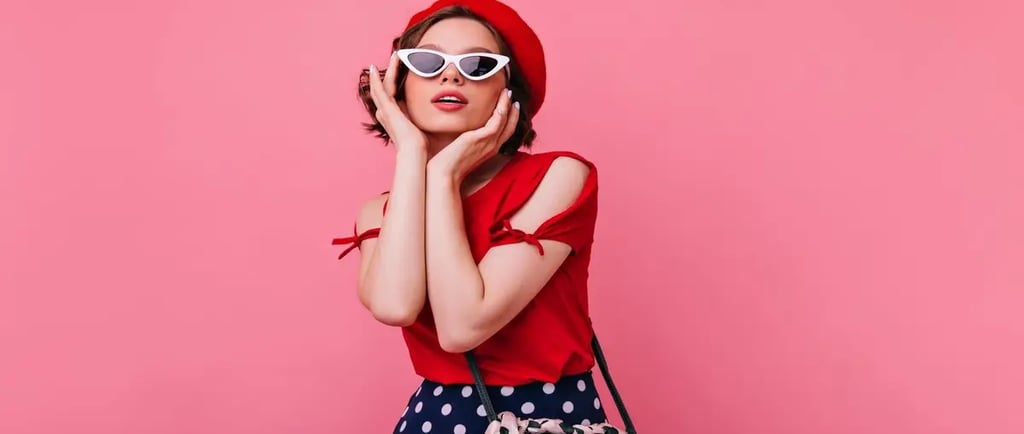
Accessories play a crucial role too. Chunky jewelry, cat-eye sunglasses, and wide-brimmed hats add flair to any outfit while capturing that quintessential retro feel.
Footwear also deserves attention—platform shoes or loafers are perfect for completing a look inspired by past decades.
Don’t forget about fabrics! Denim, corduroy, and velvet often feature prominently in retro fashion statements.
Mixing contemporary pieces with these elements creates an intriguing balance between modernity and nostalgia. It allows you to express individuality while celebrating timeless styles that remain relevant today.
How to Incorporate Retro Style in Your Wardrobe
Incorporating retro style into your wardrobe is easier than you might think. Start with statement pieces that capture the essence of a bygone era, like high-waisted jeans or A-line skirts. These staples can be mixed and matched for various looks.
Accessorizing plays a crucial role too. Think cat-eye sunglasses, chunky jewelry, or vintage handbags to elevate any outfit. Layering is also effective; throw on a denim jacket over a floral dress for that perfect 70s vibe.
Don’t shy away from patterns and colors typical of past decades—polka dots, paisleys, and bold hues add character to your attire.
Explore thrift stores or online vintage shops for authentic finds that tell a story. Even adding one retro item can transform an otherwise modern look into something nostalgic yet fresh.
Celebrities and Designers Embracing the Retro Trend
Celebrities are often at the forefront of fashion trends, and many are currently embracing retro style. Think of stars like Dua Lipa and Harry Styles, who frequently pay homage to past decades through their clothing choices. Their bold outfits capture a nostalgia that resonates with fans.
Designers also draw inspiration from vintage aesthetics. Brands such as Gucci and Prada have incorporated retro elements into their latest collections, showcasing patterns and silhouettes reminiscent of the 70s or 80s. This fusion creates a fresh yet familiar vibe on runways worldwide.
Red carpet events now feature gowns that echo iconic styles from yesteryears, marrying modern sensibilities with classic flair. Whether it's high-waisted trousers or oversized blazers, celebrities prove that retro can feel brand new again.
The revival isn't just limited to mainstream figures; influencers across social media platforms are sharing their takes on vintage-inspired looks too.
Tips for Nailing the Retro Look
To nail the retro look, start with key accessories. Vintage sunglasses, headscarves, and statement jewelry can elevate any outfit instantly.
Mix patterns and textures for an authentic vibe. Think floral prints paired with polka dots or denim alongside corduroy. This playful approach captures the essence of past decades.
Don't shy away from bold colors. Retro fashion embraces vibrant hues like mustard yellow, burnt orange, and deep greens.
Shoes play a crucial role too. Opt for chunky heels or classic loafers to complete your ensemble. They not only reflect nostalgia but also add character to your style.
Confidence is essential when rocking retro outfits. Embrace the uniqueness of each piece you wear; confidence will shine through in every look you create!
Conclusion: Why Retro Style is Here to Stay
Retro style in fashion is more than just a trend; it’s a celebration of past eras and the creativity they inspired. As styles from decades gone by continue to resurface, they bring with them nostalgia and a sense of individuality. The enduring appeal of retro aesthetics lies in their ability to blend seamlessly with contemporary pieces, allowing personal expression without sacrificing modern comfort.
Shops are filled with vintage finds and new collections that pay homage to iconic looks. From high-waisted jeans reminiscent of the 70s to bold prints echoing the vibrant 80s, there’s something for everyone. This versatility ensures that retro fashion stays relevant season after season.
Moreover, as more celebrities embrace these nostalgic designs on red carpets and social media platforms, they help fuel interest in retro trends among younger generations. Designers constantly draw inspiration from past styles, further solidifying the place of retro elements in today’s fashion landscape.
With its rich history and adaptable nature, it's clear why retro style continues to thrive in wardrobes around the world. Embracing this timeless trend allows individuals not only to express their unique tastes but also connect with cultural moments across time. Retro style isn’t going anywhere anytime soon; it remains an integral part of our evolving fashion narrative.