What Social Media Influencers Do
Discover what social media influencers do, how they earn, the influencer types, and practical tips — plus the hidden challenges of building a digital brand.
WOKE SOCIAL MEDIA
7/3/20264 min read
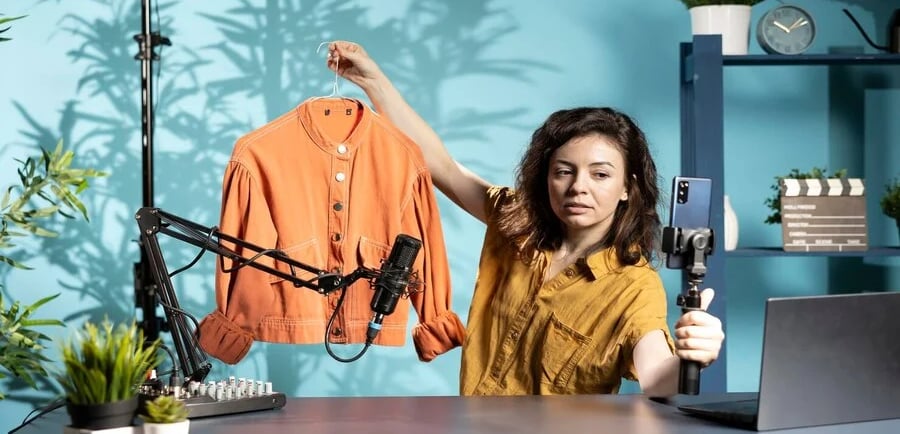
What Social Media Influencers Do
In today’s digital landscape, social media influencers have emerged as a powerful force shaping trends, consumer behaviors, and even brand strategies. They are not just content creators; they are trendsetters and opinion leaders who wield significant influence over their followers. But what exactly do these influencers do? How did they rise to prominence, and what does it take to become one? Whether you're curious about the influencer phenomenon or considering stepping into this vibrant world yourself, understanding the intricacies of their role is essential. Join me on a journey through the fascinating realm of social media influencers—where creativity meets commerce!
The Definition of a Social Media Influencer
A social media influencer is an individual who has the power to affect the purchasing decisions of others due to their authority, knowledge, or relationship with their audience. These influencers typically have a significant following on platforms like Instagram, TikTok, YouTube, and Twitter.
What sets them apart is not just their follower count but also their ability to engage and connect with people authentically. They curate content that resonates with specific demographics, often focusing on niches such as fashion, travel, fitness, or technology.
Influencers utilize various strategies—storytelling being one of the most effective—to create relatable experiences for their followers. This connection fosters trust and loyalty, making audiences more receptive to recommendations. Essentially, social media influencers are modern-day brand ambassadors navigating a digital landscape filled with endless possibilities.
The Rise of Influencer Marketing
The rise of influencer marketing has transformed the advertising landscape. Brands are shifting their focus from traditional media to social platforms, recognizing the power of personal connections.
As consumers grow tired of conventional ads, influencers fill that gap. They create authentic content that resonates with audiences on a deeper level. This relatability builds trust and can lead to higher engagement rates.
Social media platforms have made it easier for influencers to thrive. With millions of users scrolling through feeds daily, brands tap into niche markets effortlessly. Influencers become brand ambassadors, showcasing products in relatable ways.
Success stories abound as companies see impressive returns on investment. Collaborations between brands and influencers generate buzz and drive conversions like never before.
As this trend continues to grow, both emerging talents and established creators find new opportunities in every corner of the digital world. The influence is undeniable; it's changing how we perceive advertising altogether.
How Do Social Media Influencers Make Money?
Social media influencers have turned their online presence into lucrative careers. One of the primary ways they earn money is through sponsored posts. Brands pay influencers to promote products or services, leveraging their reach and credibility.
Affiliate marketing is another popular method. Influencers share unique links, earning commissions for every sale made through those links. This model rewards them for driving traffic and conversions.
Many also venture into merchandise sales. By creating their own products—like clothing lines or beauty items—they tap directly into their audience’s loyalty.
Influencers can host webinars or workshops, sharing expertise in areas like fitness, cooking, or finance while charging a fee for access.
Some collaborate with brands on long-term partnerships that provide consistent income streams and deeper engagement opportunities with followers.
The Different Types of Social Media Influencers
Social media influencers come in various shapes and sizes, each with unique characteristics.
Mega-influencers, often celebrities, boast millions of followers. Their reach is vast but engagement may be lower due to their large audience.
Macro-influencers have a follower count ranging from 100,000 to a million. They usually have niche expertise that resonates well with their audience.
Micro-influencers are gaining traction. With 1,000 to 100,000 followers, they often share relatable content and foster intimate connections with their community.
Nano-influencers are the newest wave. Typically having fewer than 1,000 followers, they excel in authenticity and personal engagement.
Each type serves different marketing strategies based on target audiences and campaign goals. Understanding these differences can help brands make informed decisions when selecting an influencer for collaboration.
Tips for Becoming a Successful Social Media Influencer
To become a successful social media influencer, authenticity is key. Share your true self and connect with your audience on a personal level. People gravitate towards genuine stories and experiences.
Consistency matters too. Post regularly to stay relevant in feeds and keep followers engaged. Create a content calendar to plan ahead and ensure variety in your posts.
Engagement should be prioritized. Respond to comments, ask questions, and encourage discussions among your followers. This interaction builds community loyalty.
Invest time in learning about trends within your niche. Stay updated on the latest tools, hashtags, or viral challenges that resonate with your audience.
Collaborate with others in the industry for cross-promotion opportunities. Partnering can introduce you to new audiences while enriching content diversity.
The Dark Side of Being an Influencer
The life of a social media influencer often seems glamorous. However, there’s a hidden side that many don't see.
Constant scrutiny comes with the territory. Influencers face relentless criticism from followers and strangers alike. Each post can invite judgment, leading to anxiety and stress.
Additionally, maintaining an online persona can feel overwhelming. The pressure to produce perfect content is unyielding. This necessity creates burnout for many in the industry.
Relationships may also suffer due to time spent curating an image instead of nurturing personal connections. Genuine friendships can become strained when authenticity collides with public expectations.
Privacy is another casualty in this line of work. Sharing snippets of life means sacrificing some intimacy as everything becomes fodder for public consumption.
The fear of being irrelevant looms large. Trends shift rapidly; what’s popular today might not be tomorrow, leaving influencers scrambling to stay relevant in a fast-paced digital landscape.
Conclusion
Understanding what social media influencers do reveals a dynamic landscape of digital marketing and personal branding. These individuals wield significant power over their followers, shaping opinions and trends across various platforms. The rise of influencer marketing has transformed the way brands connect with consumers, making it essential for businesses to adapt.
For those aspiring to enter this field, honing specific skills and cultivating authenticity can set one apart in a crowded market. It's important to remember that while there are lucrative opportunities available, there’s also a darker side to being an influencer—pressure, scrutiny, and the need for constant engagement can take a toll on mental health.
As you explore the world of social media influencing, consider both its potential rewards and challenges. Whether as an influencer or someone looking to collaborate with them, knowledge is key in navigating this ever-evolving space. Embrace your unique voice; it could resonate widely and create meaningful connections along the way.