Who Are Social Media Influencers
Discover how social media influencers earn, the rise of micro-influencers, brand impacts, controversies, and future trends shaping influencer marketing.
WOKE SOCIAL MEDIA
7/3/20265 min read

Introduction to Social Media Influencers
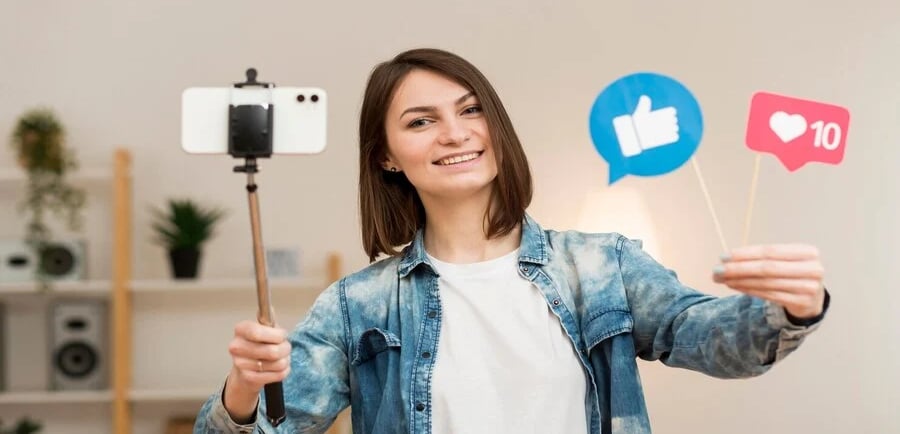
In today’s digital landscape, the term "social media influencer" has become a buzzword that captures attention. But who are these individuals shaping trends and driving consumer behavior? Social media influencers are not just internet celebrities; they are ordinary people with extraordinary reach. They wield the power to sway opinions, spark conversations, and even launch careers—all from their smartphones.
With platforms like Instagram, TikTok, YouTube, and Twitter at their fingertips, these influencers curate content that resonates with audiences globally. Whether through stunning visuals or relatable storytelling, they connect on a personal level in ways brands can only dream of achieving. Their impact is tangible transforming how we shop, whom we trust for advice, and what products fly off shelves.
As you dive deeper into this article, you'll uncover various dimensions of social media influencers: how they monetize their platforms to thrive in this competitive space and why micro-influencers have gained immense popularity. We’ll also explore the intricate relationship between influencers and brands while addressing some controversies surrounding this rapidly evolving culture. Ready to discover more about who these influential figures really are? Let’s jump in!
How Social Media Influencers Make Money
Social media influencers have turned their online presence into a lucrative career. They primarily earn money through brand partnerships. Companies pay influencers to promote products or services, leveraging the influencer's reach and credibility.
Affiliate marketing is another popular avenue. Influencers share unique links or codes with their followers, earning a commission on sales generated through those referrals.
Sponsored posts are also common. An influencer creates content featuring a brand for a fee. This can include photos, videos, or blog entries that resonate with their audience while subtly promoting the product.
Some influencers diversify by offering consulting services based on their expertise in social media growth or personal branding. Others monetize through merchandise sales and exclusive content platforms like Patreon.
The opportunities continue to expand as brands recognize the powerful impact of authentic voices within niche markets.
Types of Social Media Influencers
Social media influencers come in various forms, each catering to different audiences and niches.
The most recognized are celebrity influencers. They have massive followings due to their fame in entertainment or sports. Their reach is vast, making them desirable for big brands.
Then there are macro-influencers. These individuals usually have between 100k to a million followers and focus on specific topics like fashion, travel, or fitness. They often build dedicated communities around shared interests.
Micro-influencers have become increasingly popular as well. With follower counts ranging from 1k to 100k, they boast higher engagement rates and foster authentic connections with their audience.
Niche influencers target specialized sectors like vegan cooking or eco-friendly products. Their focused content attracts passionate followers who trust their recommendations deeply.
Brand ambassadors work closely with companies representing them over time rather than through one-off promotions. This relationship builds loyalty and credibility for both parties involved.
The Rise of Micro-Influencers
The rise of micro-influencers has transformed the social media landscape. These are individuals with smaller, yet highly engaged followings, typically between 1,000 and 100,000 followers. Unlike celebrities or macro-influencers, they often cultivate a more personal connection with their audience.
Brands have started to recognize the power of these niche influencers. Micro-influencers tend to have higher engagement rates and authentic interactions. Their audiences trust them more because they feel closer to them on a personal level.
This shift allows brands to tap into specific communities effectively. Collaborating with micro-influencers can yield impressive results at a lower cost than traditional advertising methods.
The authenticity that micro-influencers bring is appealing in today’s market filled with skepticism towards overt commercialism. They showcase products in relatable ways that resonate deeply with their followers' lifestyles and preferences.
The Impact of Social Media Influencers on Brands and Consumers
Social media influencers have transformed the marketing landscape. Brands leverage their reach to tap into niche audiences. This connection often leads to higher engagement rates compared to traditional advertising.
Consumers trust these influencers, viewing them as relatable figures rather than corporate entities. A recommendation from an influencer can feel more genuine and personal, making it easier for brands to foster loyalty.
Additionally, influencers create authentic content that resonates with followers. This visual storytelling makes products seem appealing and desirable.
The relationship benefits both parties: brands gain visibility while influencers build credibility within their niches. As a result, collaborations often lead to successful campaigns that resonate deeply with target audiences.
However, this dynamic isn't without risks. Misalignment between brand values and influencer persona can backfire, leading to backlash on social media platforms. It's crucial for brands to choose their partners wisely in order not only to enhance visibility but also maintain authenticity.
The Controversies Surrounding Social Media Influencer Culture
The world of social media influencers is not without its controversies. Authenticity often comes into question, as audiences wonder if the glamorous lifestyles shared online are real or heavily curated.
Many influencers engage in partnerships with brands, leading to accusations of insincerity. Followers may feel misled when they discover that a product promoted was actually just for pay.
Another concern revolves around mental health. The pressure to maintain a perfect image can be overwhelming, causing anxiety and unhealthy comparisons among followers.
Additionally, some creators face backlash for promoting products that lack transparency or quality control. This creates distrust between brands and consumers.
Regulatory issues arise when it comes to advertising disclosure. Many influencers fail to clearly label sponsored content, leaving their audience unaware of their motives behind recommendations.
The Future of Social Media Influencers
The future of social media influencers is on the brink of transformation. As technology advances, new platforms and formats are emerging. This evolution will create opportunities for influencers to reach audiences in innovative ways.
Augmented reality (AR) and virtual reality (VR) may soon become standard tools for content creation. Imagine experiencing a product through immersive environments before making a purchase decision.
Additionally, authenticity will continue to be crucial. Audiences crave genuine connections with influencers who share their values. Brands recognizing this trend can forge stronger partnerships with authentic voices.
Regulatory changes around advertising could also reshape influencer marketing strategies. Transparency will likely become even more important as consumers demand trustworthiness from their favorite figures online.
As these dynamics unfold, the landscape could diversify further. Micro-influencers might gain traction alongside established celebrities, creating niches that cater to specific interests or communities within the digital space.
Conclusion
Social media influencers have transformed the way brands connect with their audiences. They serve as modern-day advocates, using their platforms to share ideas and products that resonate with millions. Their ability to engage followers creates trust and authenticity, making them valuable assets in marketing strategies.
As we look ahead, the landscape of social media influencing will continue to evolve. With changing algorithms and consumer preferences, influencers must adapt while staying true to their unique voices. This shift may lead to more diverse content creation and greater emphasis on genuine interactions.
The journey of social media influencers is just beginning. As they navigate new challenges and opportunities, one thing remains clear: their impact on both brands and consumers is profound—and likely here to stay for a long time.