Wollwirrware: The Future of Community-Based Living Today
Explore Wollwirrware — the community living movement built on collaboration, shared values, and sustainability. Learn its benefits, challenges, and how to start.
WOKE BUSINESS
3/23/20264 min read
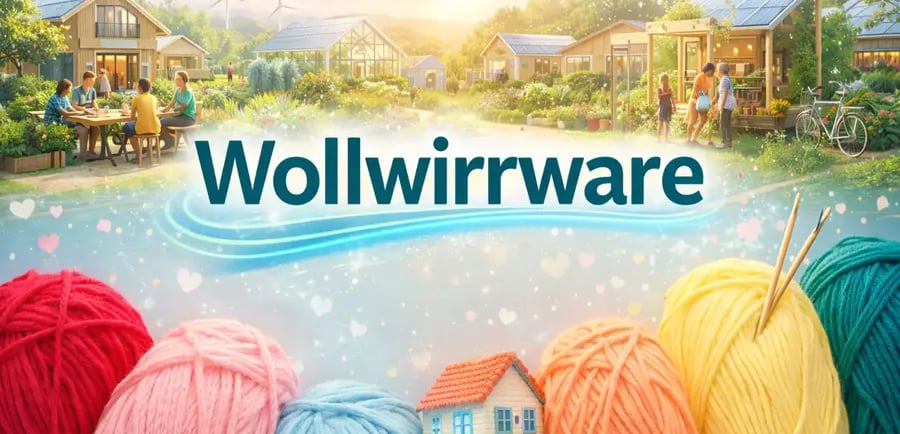
Wollwirrware is more than just a trend; it’s a movement that embraces the essence of community living. Imagine a space where connection thrives, creativity flourishes, and collaboration is at the heart of daily life. This concept revolves around shared values and resources, fostering an environment where individuals come together for mutual support. As society becomes increasingly disconnected, Wollwirrware offers a refreshing alternative a return to communal roots.
This blog will explore the rich history behind community-based living and highlight successful Wollwirrware communities that exemplify these ideals. We'll delve into the benefits that come with this lifestyle while also addressing some challenges and criticisms it faces today. Whether you’re curious about joining an existing community or inspired to create your own, there’s much to uncover in this vibrant world of Wollwirrware!
The history of community-based living
Community-based living has roots that stretch back to ancient civilizations. Early humans thrived in groups, sharing resources and responsibilities. These bonds were essential for survival.
As societies evolved, so did the concept of community. The rise of agriculture brought people together in villages, fostering cooperation and social networks. Shared labor transformed individual lives into collective experiences.
Throughout history, various movements have celebrated communal living. From utopian societies in the 19th century to co-housing initiatives today, the desire for connection remains strong.
The industrial revolution disrupted traditional communities but also sparked new forms of collaboration. Urban areas saw the birth of cooperatives and mutual aid organizations aimed at strengthening ties among residents.
Modern technology continues to influence how we connect with one another, yet the core idea endures: community is vital for emotional support and shared progress.
Examples of successful Wollwirrware communities
Wollwirrware communities have sprouted across the globe, showcasing diverse lifestyles and innovative approaches to collaboration.
One standout example is EcoVillage in Ithaca, New York. This community emphasizes sustainability and shared resources while maintaining a vibrant social atmosphere. Residents engage in organic farming, communal meals, and educational workshops that foster growth.
Another compelling case is The Farm in Tennessee. Established in the 1970s, it has evolved into a thriving eco-community centered around holistic living and spirituality. Members practice permaculture techniques while hosting retreats focused on personal development.
In Europe, the Findhorn Foundation in Scotland exemplifies intentional living with its commitment to ecological practices and spiritual exploration. Here, residents work together to create harmonious relationships with nature while promoting sustainable agriculture.
These successful Wollwirrware communities highlight various ways people can connect deeply with one another while embracing shared values for a better future.
Benefits of living in a Wollwirrware community
Living in a Wollwirrware community offers numerous advantages that enrich daily life. These environments foster strong connections among residents, creating a sense of belonging and shared purpose.
Collaboration is at the heart of Wollwirrware living. Residents often engage in collective decision-making, which cultivates trust and strengthens relationships. This cooperative spirit can lead to innovative solutions for common challenges.
Additionally, these communities prioritize sustainability. Shared resources reduce individual consumption while promoting eco-friendly practices. From community gardens to renewable energy projects, residents contribute to environmental well-being.
Another significant benefit is access to diverse skills and expertise within the community. Members support one another with their unique talents, whether it be through workshops or informal exchanges of knowledge.
Living in such a setting encourages personal growth and self-discovery as individuals navigate communal dynamics and responsibilities together.
Challenges and criticisms of the concept
Living in a Wollwirrware community isn't without its hurdles. One significant challenge is the clash of personalities. When diverse individuals gather, differing opinions can lead to conflicts.
Resource management presents another issue. Shared resources require careful planning and cooperation. Misunderstandings about usage often arise, creating tension within the group.
There’s also the risk of exclusion. Some people may feel sidelined if they don't engage fully with others or align with prevailing ideas.
Financial sustainability can be tricky too. Community-funded initiatives depend heavily on everyone contributing fairly, which isn’t always guaranteed.
Critics argue that these communities can sometimes romanticize communal living while glossing over real-world complexities such as economic pressures or personal isolation despite close proximity to neighbors. These challenges merit serious consideration for anyone thinking of stepping into this way of life.
How to create your own Wollwirrware community
Creating your own Wollwirrware community starts with a clear vision. Gather like-minded individuals who share common values and goals. Open discussions about what you want to achieve together.
Next, find a suitable location that can accommodate the group's needs. Whether it's urban or rural, accessibility is key for fostering connections.
Establish governance structures early on. Decide how decisions will be made and ensure everyone feels heard and valued. Communication is vital for maintaining harmony within the group.
Organize regular activities that promote engagement, learning, and cooperation. Workshops, potlucks, or volunteer projects can strengthen bonds among members.
Embrace flexibility as your community evolves. Be open to feedback and adapt to changing circumstances while staying true to your core mission.
Conclusion: The future of Wollwirrware and the importance of community in today's society
As we look to the future, Wollwirrware represents a growing movement that prioritizes community living. In today’s fast-paced world, where individualism often reigns supreme, the essence of belonging is more crucial than ever. Communities built on the principles of Wollwirrware offer not just shelter but also shared values and collective support. The importance of connection cannot be overstated. As technology continues to evolve, it can sometimes create barriers between people rather than foster relationships. Wollwirrware provides an antidote to this disconnect by encouraging collaboration and interaction among members.
These communities are unique in their ability to empower individuals while promoting a sense of togetherness. They challenge us all to rethink how we live and engage with one another. The future may hold new interpretations and adaptations of these ideas, but at its core remains a focus on human connections. As more people seek alternatives to conventional lifestyles, the allure of Wollwirrware will likely grow stronger. Embracing this culture could lead society towards greater fulfillment through shared experiences and mutual support systems a reflection of our deepest needs as social beings in an increasingly isolated world.
Connect
Join our vibrant community of empowered women.
Share
contact@socialmediagirlsforum.co
+447553810589
© 2026. All rights reserved.